

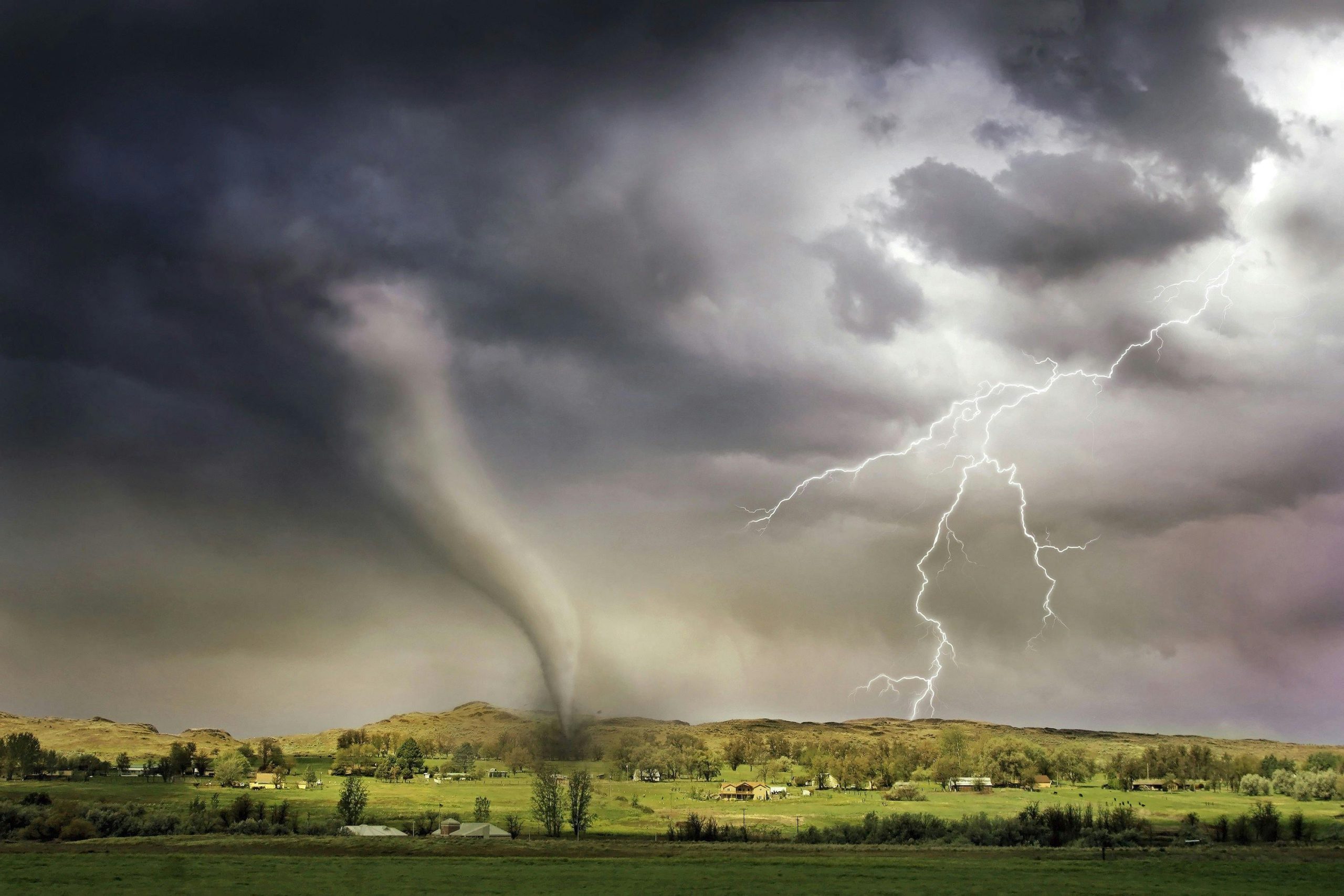
Understanding Earthquakes: A Beginner’s Guide to Seismic Events Explained
Introduction
Earthquakes are a fascinating and sometimes frightening aspect of our planet’s dynamic nature. They occur when the Earth’s tectonic plates shift and release energy in the form of seismic waves. This beginner’s guide will delve into what earthquakes are, why they happen, and how we can better understand these seismic events. By the end of this post, you’ll have a clearer picture of the mechanisms that cause earthquakes and how they affect our world.
What is an Earthquake?
Simply put, an earthquake is what happens when the ground shakes due to a sudden release of energy in the Earth’s crust. This release of energy creates seismic waves that propagate through the Earth’s layers, causing the ground to shake, sometimes with devastating effects.
The Science Behind Earthquakes
The Earth’s lithosphere (the outer layer of the planet) is divided into tectonic plates. These plates are constantly moving, but they can become stuck at their edges due to friction. When the stress on the edge overcomes the friction, there is an earthquake that releases energy in waves that travel through the earth’s crust and cause the shaking that we feel.
Types of Seismic Waves
During an earthquake, several types of seismic waves are released:
- Primary Waves (P-waves) are compression waves that are fast-moving and can pass through both solids and liquids.
- Secondary Waves (S-waves) only move through solids and are slower than P-waves.
- Surface Waves travel along the surface of the Earth and generally cause the most damage.
Understanding the different types of waves can help scientists determine the size and location of the earthquake.
Where Do Earthquakes Occur?
Earthquakes can happen all over the world but are most common along the edges of tectonic plates. The boundary zones where these plates interact are known as fault lines. Some of the most well-known fault lines include the San Andreas Fault in California and the Ring of Fire that circles the Pacific Ocean.
Seismic events aren’t restricted to these zones; however, intraplate earthquakes also occur within a plate itself due to stresses within the plate. An example is the 1811-1812 New Madrid earthquakes in the central United States.
Measuring Earthquakes
The intensity and size of an earthquake can be measured using various scales:
- The Richter scale, a logarithmic scale, measures the magnitude or total released energy of an earthquake.
- The Mercalli Intensity Scale measures the effects of an earthquake and how much damage it causes on a scale from I (not felt) to XII (total destruction).
FAQs on Understanding Earthquakes: A Beginner’s Guide to Seismic Events Explained
What Is the “Ring of Fire”?
The “Ring of Fire” is a horseshoe-shaped geological disaster zone found in the basin of the Pacific Ocean where a large number of earthquakes and volcanic eruptions occur due to tectonic movements.
Can Earthquakes Be Predicted?
Currently, scientists cannot predict exactly when or where an earthquake will occur. However, ongoing research into fault lines and tectonic movements has improved understanding of earthquake patterns and potential risks.
How Can I Prepare for an Earthquake?
Preparation can significantly reduce damage and the chance of injury. Securing heavy furniture, creating an emergency preparedness kit, and planning evacuation routes can help you and your family stay safe.
Are Small Earthquakes a Sign of a Bigger One to Come?
Small earthquakes, known as foreshocks, sometimes precede larger seismic events, but this is not always the case. A small quake does not necessarily mean a larger one is imminent.
Conclusion
Understanding earthquakes and their impacts are essential for anyone living near fault lines or in earthquake-prone areas. While the sudden nature of these seismic events can be daunting, scientific advances continue to improve our ability to understand, prepare for, and respond to earthquakes. Armed with this knowledge, individuals and communities can take proactive steps to mitigate the effects of these natural phenomena, ensuring greater safety and resilience.
The dialogue on “Understanding Earthquakes: A Beginner’s Guide to Seismic Events Explained” doesn’t stop here. Continued education and awareness are vital as researchers delve deeper into the underlying causes and potential prediction methods for earthquakes. Stay tuned to updates in science and technology that aim at providing a more in-depth understanding and, hopefully someday, a method of predicting earthquakes with significant accuracy.