

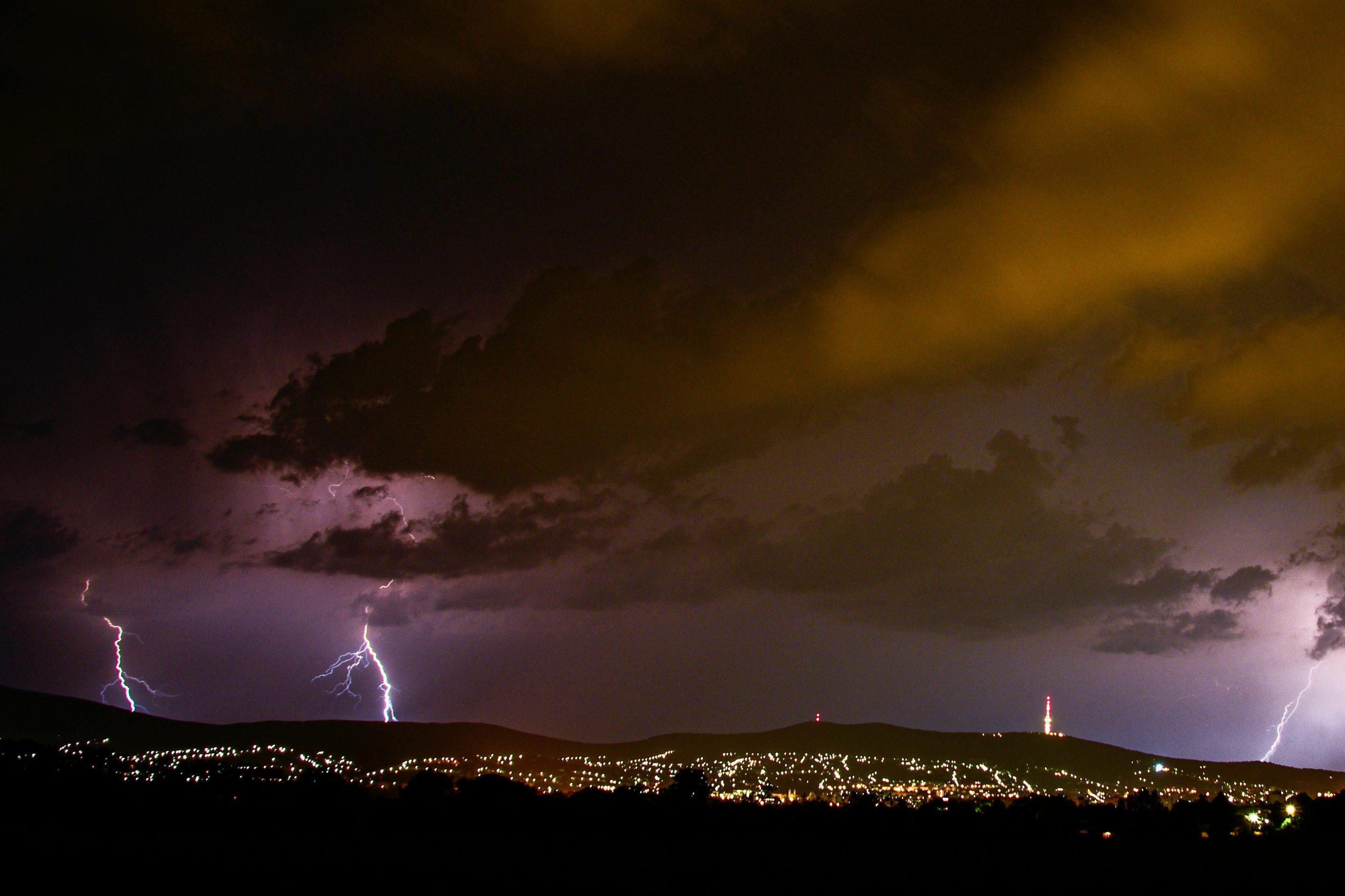
Unveiling Nature’s Fury: How Natural Disasters and Phenomena Shape Our World
The Earth, a profound architect of wonder, continuously crafts landscapes and seascapes, bringing both awe and alarm. From the swirling, tempestuous tornadoes to the earth-shattering quakes, natural disasters and phenomena paint a complex portrait of our planet’s power. In this detailed exploration—Unveiling Nature’s Fury: How Natural Disasters and Phenomena Shape Our World—we delve into the significant impact these forces have on our environment, society, and future.
Understanding the Fury: What Defines Natural Disasters?
Natural disasters are severe disruptions occurring within the environment—be it on land, in the air, or oceans—that result from Earth’s natural processes. These events often lead to substantial effects on the affected ecosystems and human settlements. Common natural disasters include earthquakes, hurricanes, floods, tornadoes, volcanic eruptions, and tsunamis, each carrying distinct characteristics and impacts.
The Role of Natural Phenomena in Shaping our Planet
Natural phenomena, albeit less catastrophic than natural disasters, still play a crucial role in shaping our physical world. These include phenomena like the Northern Lights (Aurora Borealis), migration patterns of birds, or the blooming of flowers in a synchronized manners which though not disruptive, are essential parts of Earth’s ecological and geographical makeup.
The Impact on Landscapes and Human Lives
Unveiling Nature’s Fury: How Natural Disasters and Phenomena Shape Our World requires us to look at the immediate and long-term effects of these events.
-
Ecological Shifts: Natural disasters like wildfires or hurricanes can devastate landscapes but also lead to new growth cycles, influencing ecological succession. For example, fires may destroy old vegetation but are necessary for the germination of certain types of seeds.
-
Geographical Redefinition: Earthquakes and volcanoes can dramatically alter geographical features. The eruption of Mount St. Helens in 1980 not only affected the local flora and fauna but dramatically changed the mountain’s structure and the surrounding landscape.
-
Economic Repercussions: On a human scale, the economic impact can be staggering. Recovery and rebuilding efforts post-disasters demand enormous financial investments and can strain national economies, particularly in disaster-prone regions.
-
Cultural Changes: Large-scale natural events can lead to shifts in population and cultural transformations. Post-disaster, communities often develop new technologies, building practices, and disaster preparedness strategies that become ingrained in the local culture.
Scientific and Technological Advancements
In the wake of nature’s fury, human ingenuity often shines. Advances in technology have drastically improved prediction models and preparedness plans. For instance, sophisticated meteorological tools now allow for more accurate hurricane tracking and real-time updates, potentially saving thousands of lives.
Moreover, architectural strategies have evolved, with buildings designed to withstand earthquakes and floods, showcasing how societies adapt to the relentless forces of nature.
FAQ: Frequently Asked Questions
Q1: What is the most destructive natural disaster?
A1: While it’s challenging to define the single most destructive event due to varying contexts, the 2004 Indian Ocean tsunami is one of the deadliest, claiming over 230,000 lives across 14 countries.
Q2: Can we predict natural disasters?
A2: Yes and no. While we have improved our ability to forecast certain natural disasters like hurricanes and tornadoes, earthquakes remain notoriously difficult to predict with precise timing.
Q3: How can communities better prepare for natural disasters?
A3: Preparation involves a mix of educating the public, improving infrastructure, and developing early warning systems and evacuation plans. Community drills and the promotion of disaster preparedness can significantly mitigate the impact.
Q4: How do natural disasters affect biodiversity?
A4: Natural disasters can both harm and benefit biodiversity. Events like forest fires may initially reduce biodiversity but can also create niches for new species. Conversely, disasters like oil spills are mostly harmful, with long-lasting detrimental effects on local ecosystems.
Conclusion: Embracing the Lessons from Nature’s Fury
Unveiling Nature’s Fury: How Natural Disasters and Phenomena Shape Our World provides not only a glimpse of the raw power of our planet but also a testament to human resilience and adaptability. By understanding and respecting the might of nature, we can co-exist with these phenomenal events, preparing for their impacts and learning from their outcomes. As we continue to witness these forces, let us strive for sustainability and harmony, ensuring that we leave a resilient world for future generations.
In uncovering the layers of nature’s ferocity, we discover the delicate balance our world operates in—and the power we have to protect and enhance it.