

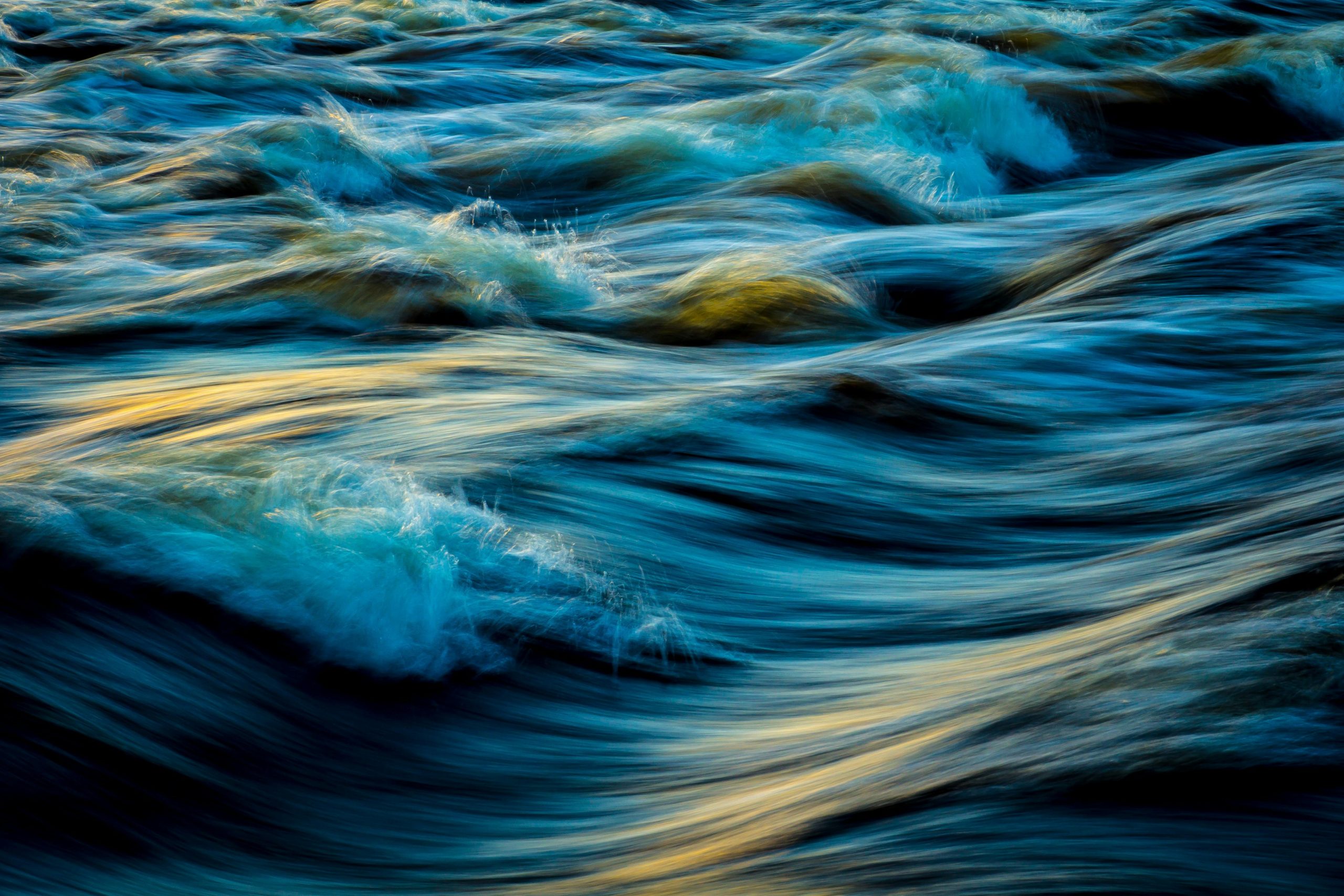
Unveiling the Mysteries: How Ocean Currents Shape Our World Explained
Introduction
The ocean is not just a vast expanse of water; it is a vibrant, dynamic entity that plays a pivotal role in shaping the climate and geography of our planet. One of the most fascinating aspects of marine science is the study of ocean currents and their far-reaching effects. Unveiling the mysteries behind these currents is crucial for understanding how they influence everything from weather patterns to marine biodiversity. In this comprehensive guide, we’ll dive into the world of ocean currents and explore how they truly shape our world.
What are Ocean Currents?
Simply put, ocean currents are continuous, directed movements of seawater generated by various forces acting upon the water, including wind, the Coriolis effect, gravity, and temperature differences. These currents can be classified as surface currents, which are primarily driven by wind, or deepwater currents, influenced by temperature and salinity gradients. Together, these currents form a complex global conveyor belt that circulates water around the world.
Unveiling the Mysteries: How Ocean Currents Shape Our World Explained
1. Climate Regulation
One of the most critical roles of ocean currents is in regulating the climate. For instance, the Gulf Stream, a powerful Atlantic Ocean current, carries warm water from the Gulf of Mexico towards Europe, significantly moderating the climate of countries like Iceland and the United Kingdom. Without the influence of this and other currents, many regions would experience drastically different weather conditions, potentially making them uninhabitable.
2. Nutrient Distribution
Ocean currents also play a vital role in distributing nutrients across different parts of the ocean. These nutrients foster the growth of plankton, the primary food source for many marine organisms. Currents like the Antarctic Circumpolar Current help circulate nutrients around the ocean, supporting large populations of fish, which are essential not only for marine ecosystems but also for human consumption.
3. Marine Biodiversity
The diversity of marine life is largely dependent on the patterns and strength of ocean currents. Currents transport organisms, distribute nutrients, and help create habitats. The Coral Triangle in the western Pacific, for example, owes its rich biodiversity to the confluence of several nutrient-rich currents. Understanding how currents impact marine life is key to protecting and managing marine biodiversity effectively.
4. Economic Impact
Ocean currents affect a variety of economic activities. For instance, they impact routes used for shipping and fishing. Currents that bring cold, nutrient-rich water to the surface support major fisheries, vital for the economy of nearby coastal communities. Additionally, understanding ocean currents is crucial for oil spill management and pollution control, helping to mitigate environmental disasters and protect marine and coastal ecosystems.
5. Impact on Weather and Natural Disasters
Finally, ocean currents have a significant impact on weather patterns and the occurrence of natural disasters. For example, El Niño and La Niña phenomena, resulting from temperature variations in the Pacific Ocean currents, can trigger extreme weather conditions across the globe, including floods, droughts, and hurricanes. Accurately predicting these events can help prepare for potential impacts on agriculture, water resources, and disaster management.
FAQs on Unveiling the Mysteries: How Ocean Currents Shape Our World Explained
Q1: How do ocean currents affect global warming?
Ocean currents play a crucial role in the global climate by distributing heat around the planet. Changes in these currents can influence global warming, either by accelerating or mitigating its effects.
Q2: Can ocean currents change over time?
Yes, ocean currents can change due to various factors such as alterations in wind patterns, sea level rises, or temperature changes. Monitoring these changes is vital for understanding and predicting climate shifts.
Q3: How do scientists study ocean currents?
Scientists use a variety of tools to study ocean currents, including satellites, floats, and underwater drones. These instruments help track the speed, direction, and temperature of currents across different depths of the ocean.
Q4: Why is it important to protect ocean currents?
Protecting ocean currents is crucial because they impact marine ecosystems, weather patterns, and global climate. Any significant changes to these currents can have profound global effects.
Conclusion
Understanding ocean currents is vital for comprehending how they influence climate, weather systems, marine ecosystems, and human activities. Unveiling the mysteries of how ocean currents shape our world can help in developing strategies for climate change mitigation, protecting marine biodiversity, and managing natural resources more effectively. By continuing to explore and monitor these mighty currents, scientists and researchers are unraveling the complexities of our planet’s climate system, offering hope and direction for future environmental stewardship and sustainability efforts. Through collective efforts and sustained interest, we can ensure a healthier, more stable global environment for future generations.