

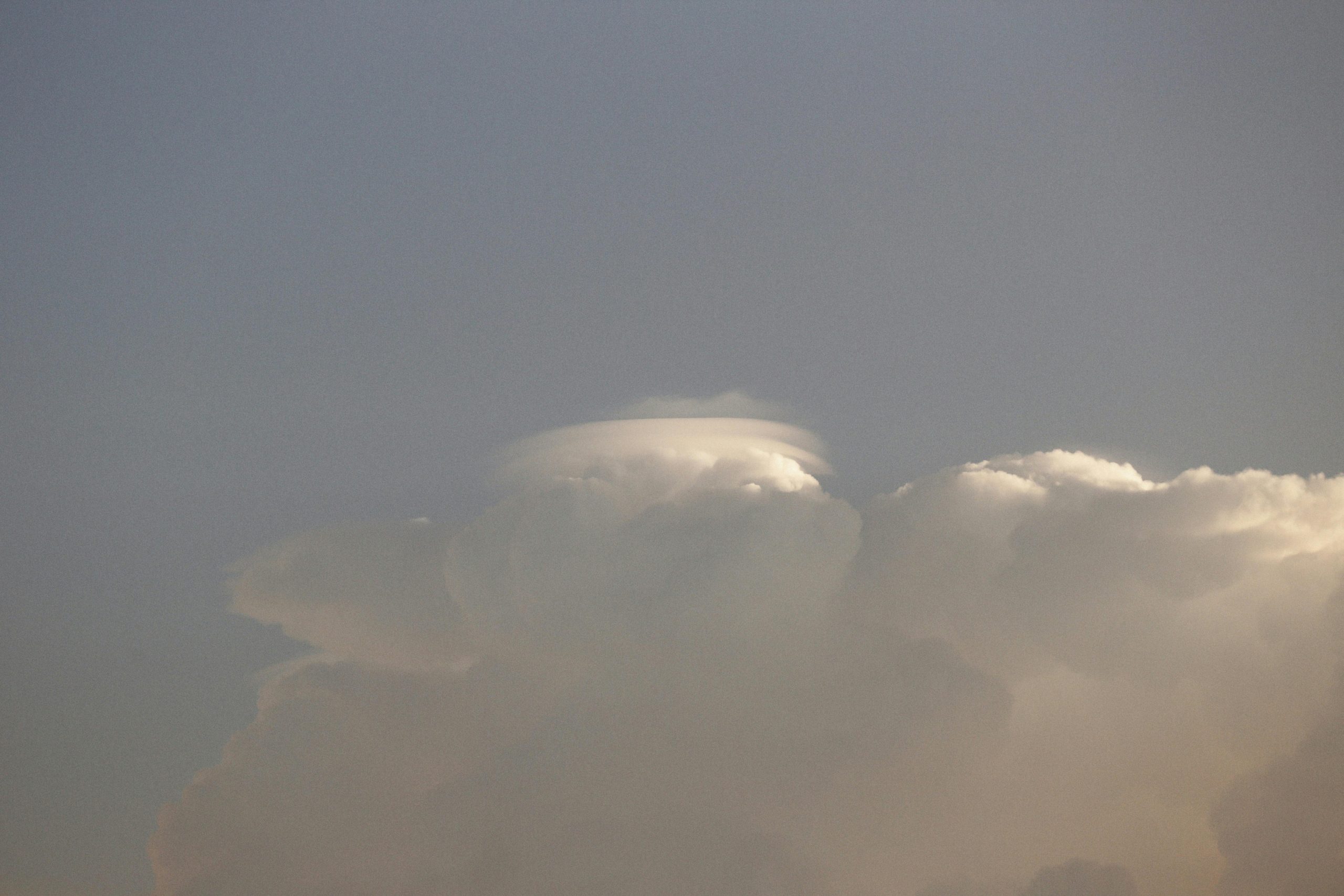
Monsoon vs Rainy Season: Understanding the Differences
Are you someone who loves the sound of rain pattering against your window, or do you dread the thought of endless damp days? Regardless of your stance, understanding the nuances between the monsoon and the rainy season can enhance your appreciation (or tolerance) of these wet periods. In this detailed exploration of “Monsoon vs Rainy Season: Understanding the Differences,” we will delve into their unique characteristics, how they impact the environment, and cultures around the globe.
Introduction to Weather Patterns
Whether you’re planning a vacation or simply curious about climatology, distinguishing between a monsoon and the rainy season is crucial. Both phenomena involve prolonged periods of precipitation, but they have distinct atmospheric conditions and impacts that are vital for agricultural planning, water resource management, and daily living.
What is the Monsoon?
The term “monsoon” is derived from the Arabic word ‘mausim’ which means season. It refers specifically to the seasonal wind pattern changes accompanied by significant changes in precipitation. Monsoons are primarily driven by the temperature contrast between land and ocean, and they involve large-scale wind shifts that occur over regions such as South Asia, Southeast Asia, Africa, Australia, and parts of North America during certain times of the year.
Key Characteristics of Monsoons:
- Wind Reversal: Monsoons are characterized by a seasonal reversal of wind direction. For example, the South Asian monsoon involves northeasterly winds shifting to southwesterly winds.
- Heavy Rainfall: These winds pick up moisture from the ocean and bring heavy rainfall to the land. In some areas, monsoon rains contribute to over 70% of the annual rainfall.
- Predictable Patterns: Monsoons typically follow predictable annual cycles, which helps in agricultural planning and management.
What is the Rainy Season?
On the other hand, the rainy season (also known as the wet season) is a period of increased rainfall relative to other seasons of the year. It is not necessarily tied to a wind system change, but more to the warming effects of the sun’s solar geometry with respect to the equator. Rainy seasons can occur in different parts of the world and are driven by various atmospherical dynamics including proximity to bodies of water, prevailing winds, and landscape features like mountains and plains.
Key Characteristics of Rainy Seasons:
- Increased Precipitation: This season sees a spike in area-specific precipitation due to local climatic conditions rather than a dramatic wind shift.
- No Fixed Global Timing: The timing of the rainy season can vary greatly depending on the geographical location. For instance, the rainy season in much of sub-Saharan Africa runs from June to September, while in southern Florida, it occurs from May through October.
- Localized Effects: Unlike monsoons, the effects of rainy seasons are often less widespread and can vary significantly over short distances due to topographical influences.
FAQs: Monsoon vs Rainy Season
Q1: Which lasts longer, monsoon or rainy season?
A1: The length of both the monsoon and rainy season can vary significantly based on geographical location. However, monsoons are generally more prolonged due to the enduring nature of the seasonal wind changes they are associated with.
Q2: Can a place experience both a monsoon and a rainy season?
A2: Yes, some regions can experience both phenomena in different parts of the year. For example, India experiences the Southwest monsoon from June to September and a shorter Northeast monsoon from October to December, along with variable pre-monsoon and post-monsoon rainy seasons.
Q3: How do monsoons and rainy seasons affect agriculture?
A3: Both are crucial for agriculture in rain-fed areas, as they provide the needed water for crop growth. However, monsoons are particularly important in regions like India and Thailand, where the bulk of annual rainfall necessary for rice cultivation occurs during this season.
Q4: Are monsoons dangerous?
A4: While monsoons are essential for life in many regions, they can also cause destruction. Heavy rainfall can lead to flooding, landslides, and other severe weather-related disasters.
Conclusion
Understanding the differences between “Monsoon vs Rainy Season: Understanding the Differences” is not just a matter of semantics. It’s about recognizing the diverse impacts of these weather patterns on the environment, economies, and daily lives around the globe. Both monsoons and rainy seasons bring life-sustaining water to their regions, yet they come with challenges that require adaptive strategies and resilience. Whether you find joy in the renewal brought by rain or brace yourself for its challenges, a deeper knowledge of these phenomena helps us all better prepare and respond to nature’s rhythms.