

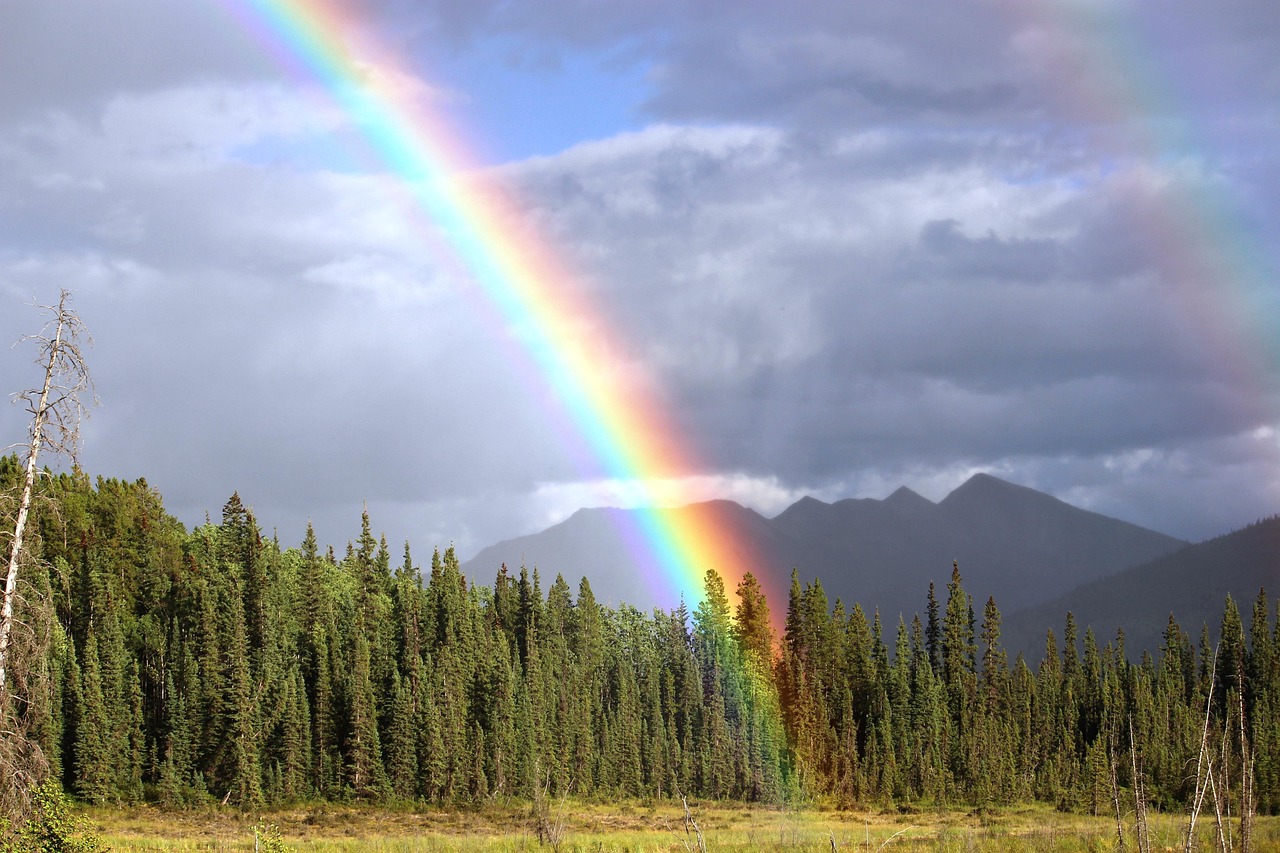
Discover the Magic Behind Fire Rainbows: A Comprehensive Guide to Understanding Atmospheric Phenomena
Have you ever looked up at the sky and caught a glimpse of something so stunningly beautiful that it seemed almost otherworldly? If you’re among the lucky few, you might have spotted a fire rainbow, one of nature’s most dazzling atmospheric phenomena. In this blog post, we’ll dive deep into the science and spectacle of fire rainbows, providing a comprehensive guide to understanding this rare phenomenon.
What Exactly is a Fire Rainbow?
First off, the term “fire rainbow” is a bit of a misnomer since this phenomenon isn’t related to fire or traditional rainbows. The scientific term for a fire rainbow is a circumhorizontal arc—an optical effect observed in the sky, typically when the sun is high. It manifests as an almost flame-like spectrum of colors on a cloud, creating a striking, broad horizontal band of color that spans well past what a regular rainbow might.
How Do Fire Rainbows Form?
Fire rainbows occur under specific conditions. They form in high-altitude cirrus clouds, which are thin, wispy clouds occurring at heights above 20,000 feet. These clouds are composed of ice crystals instead of water droplets. When the sun is positioned at an altitude of 58 degrees or higher above the horizon, its light enters the ice crystals and exits in a manner similar to light passing through a prism. For a fire rainbow to appear, the ice crystals must be shaped like flat, hexagonal plates lying almost horizontally in the cloud.
When conditions are just right, these crystals act like prisms to refract sunlight and spread it into a spectrum of colors—including those fiery reds and oranges that give the fire rainbow its name. The higher the sun climbs in the sky, the more vivid the colors.
Where and When Can You See a Fire Rainbow?
The visibility of fire rainbows largely depends on your location and the time of year. For residents in the United States, the best time to see a fire rainbow is during the summer months when the sun’s elevation meets the optimal condition. Moreover, because the circumhorizontal arc requires the sun to be very high in the sky, they are more commonly observed at latitudes closer to the equator.
This phenomenon remains a rare sight due to the precise set of optic and meteorological conditions needed for it to occur. This rarity adds an extra level of excitement and intrigue each time a fire rainbow is spotted.
Understanding Other Atmospheric Phenomena Connected to Fire Rainbows
While exploring Discover the Magic Behind Fire Rainbows: A Comprehensive Guide to Understanding Atmospheric Phenomena, it’s enriching to consider other related atmospheric wonders. For instance, similar to the circumhorizontal arc, there is the circumzenithal arc—also formed through light refraction but appearing closer to the zenith and resembling an upside-down rainbow.
Sundogs, parhelia, and halos are yet other phenomena involving the refraction of sunlight through ice crystals in the atmosphere, each presenting its unique visual spectacle. Observing these phenomena can enhance your appreciation of the complex interplay between light and the atmospheric conditions that produce such breathtaking sky shows.
FAQs About Fire Rainbows
Q1: Are fire rainbows a type of rainbow?
A1: Despite the name, fire rainbows are not true rainbows. They do not result from rain but are caused by the refraction of sunlight through ice crystals in high-altitude clouds.
Q2: Can fire rainbows be predicted?
A2: Predicting fire rainbows is challenging since it requires precise atmospheric conditions. However, understanding when and where they are likely to occur can increase your chances of witnessing one.
Q3: Are fire rainbows rare?
A3: Yes, fire rainbows are considered rare because they need specific conditions to appear—specifically the type of clouds and the sun’s elevation.
Q4: Can I see fire rainbows anywhere in the world?
A4: Fire rainbows are mostly visible in places with latitudes closer to the equator where the sun can reach an elevation higher than 58 degrees. Locations farther north or south may rarely, if ever, witness this phenomenon.
Conclusion
Discovering the magic behind fire rainbows enriches our understanding and appreciation of atmospheric phenomena. This exquisite play of light and ice in the sky not only reminds us of the natural world’s beauty but also of its complexity. So next time you’re fortunate enough to witness a fire rainbow, or any other atmospheric phenomenon, take a moment to marvel at this spectacular display—it’s a perfect example of how wonderful and intricate nature can be.
In embracing the knowledge offered through Discover the Magic Behind Fire Rainbows: A Comprehensive Guide to Understanding Atmospheric Phenomena, we foster a deeper connection with our environment and a greater appreciation for the ephemeral wonders above. Keep gazing skyward; you never know when the next awe-inspiring spectacle will reveal itself!