

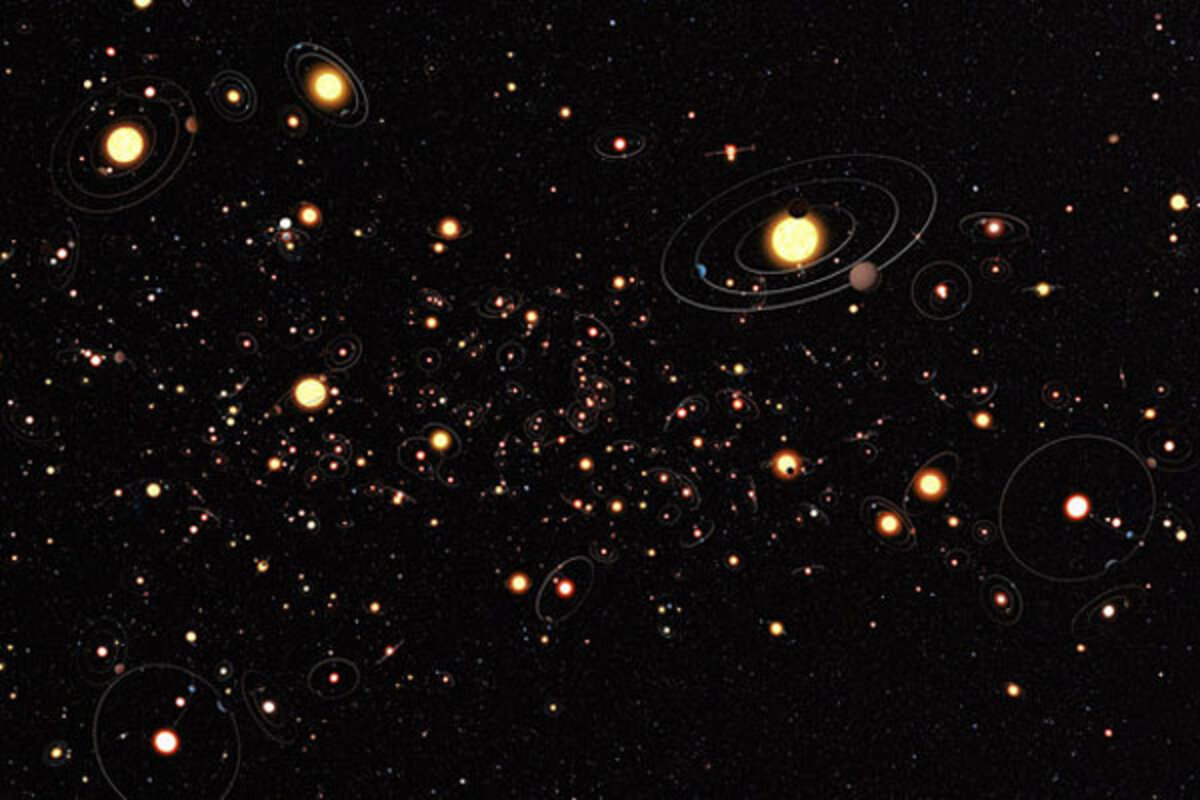
Understanding the Beauty of Stars and Planets: Differences and Viewing Tips
Gazing up at the night sky can be a humbling experience, as the vastness of space stretches infinitely above. While both stars and planets are celestial highlights of night-time viewing, they have distinct characteristics and offer different viewing experiences. Whether you’re an aspiring astronomer or simply a curious observer, knowing how to distinguish between these celestial bodies and the best ways to view them can significantly enhance your stargazing adventures.
Introduction to Stars and Planets
Stars, including our own sun, are luminous spheres made of plasma that generate their own light and heat through nuclear fusion. They twinkle in the sky because of the way their light interacts with the Earth’s turbulent atmosphere. Planets, on the other hand, do not produce their own light but are visible because they reflect the sun’s light. Belonging to a solar system, planets orbit a star and appear steadier in the sky with a consistent shine.
The differences in the intrinsic properties and appearance of stars and planets are fascinating and worth exploring. Moreover, knowing various viewing tips can deeply enrich your experience of watching these celestial bodies.
Key Differences Between Stars and Planets
1. Light Emission:
- Stars: Generate their own light.
- Planets: Reflect light from their host stars.
2. Appearance in the Sky:
- Stars: Twinkle because their light must pass through Earth’s atmosphere, making them look as though they’re constantly changing in brightness and position.
- Planets: Shine with a steadier light and don’t twinkle as stars do.
3. Movement Across the Sky:
- Stars: Appear to move from east to west across the sky due to Earth’s rotation.
- Planets: Also follow this general movement but can exhibit retrograde motion, where they appear to move backward in the sky relative to the stars.
4. Positional Relation:
- Stars: Seem randomly placed, forming constellations that change position throughout the night and seasons.
- Planets: Are found along the ecliptic, the path that the Sun appears to take through the sky.
Viewing Tips for Stars and Planets
Viewing these celestial objects can be mesmerizing, but a few tips can make the experience even more rewarding:
1. Best Time to View:
- Stars: Best viewed on clear, moonless nights from a dark location away from city lights. Different constellations are visible at different times of the year, so plan according to the season.
- Planets: Visibility depends on their orbit relative to Earth. Some apps and websites can help you track the best viewing times for specific planets.
2. Equipment:
- Stars: Can be appreciated with the naked eye, though binoculars or a telescope can enhance the viewing experience, revealing clusters and nebulas.
- Planets: A telescope can help you see them in greater detail. For instance, you might see Jupiter’s moons or the rings of Saturn.
3. Use of Technology:
- Stars and Planets: Many mobile apps and software can help identify stars, constellations, and the current positions of planets. Stellarium and Sky Map are popular choices.
4. Viewing Conditions:
- Consider the weather and phase of the moon. A less moonlit sky typically offers a better view of dimmer stars and faint celestial objects.
5. Learn the Ecliptic:
- Getting familiar with the ecliptic path can help you locate planets as they will always be near this imaginary line running across the night sky.
FAQs about Stars and Planets
Q1: Can I see planets without a telescope?
A1: Yes, several planets including Venus, Mars, Jupiter, and sometimes Saturn are visible to the naked eye and are often mistaken for stars due to their bright appearance.
Q2: Why do stars twinkle but planets don’t?
A2: Stars twinkle because they are so far away that they appear as pinpoints of light, easily disturbed by Earth’s atmosphere. Planets are closer and appear as tiny disks, so their light is less affected.
Q3: What is the best time of year to observe planets?
A3: The visibility of planets changes throughout the year based on their orbits. Using an astronomy app to track their visibility can be very helpful.
Conclusion
Appreciating the night sky and distinguishing between stars and planets requires a bit of knowledge and preparation. Understanding their differences enhances the experience and prepares you for what to expect when you look up. Remember, every night sky offers a new layout to explore, from shimmering stars that have twinkled for millennia to brilliant planets moving quietly along their celestial paths. Armed with the right tips and tools, your next stargazing experience can be as enlightening as it is breathtaking. Happy star-gazing!
By covering both the fundamental differences and practical viewing tips for stars and planets, this guide aims to prepare you for a delightful celestial experience. Whether you’re observing through a telescope or admiring the cosmos with your naked eye, the sky is a gateway to the wonders of the universe.