

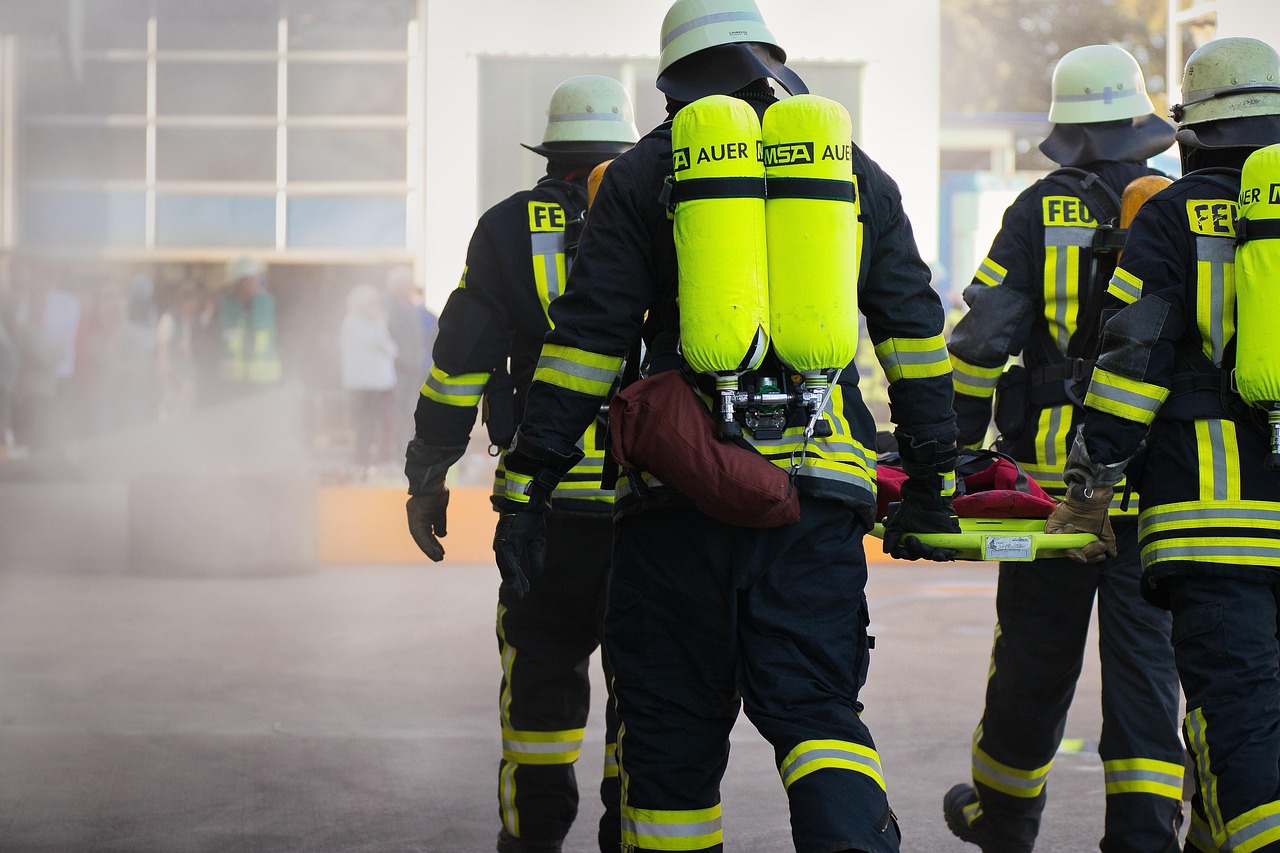
Disaster Management for Beginners: Essential Tips to Keep You Safe
Introduction
When it comes to staying safe in the face of natural disasters, being prepared is half the battle. Disaster management isn’t just for professionals or those living in high-risk areas; it’s a crucial skill set for everyone. Whether you’re dealing with floods, hurricanes, earthquakes, or any unforeseen events, having a grass-roots understanding can significantly increase your safety and the safety of those around you. In this guide, “Disaster Management for Beginners: Essential Tips to Keep You Safe,” we’ll explore fundamental strategies and tips that will help you prepare for, respond to, and recover from disasters.
Understanding Disaster Management
Disaster management involves a series of steps to prepare for, respond to, recover from, and mitigate the effects of emergencies. For beginners, it’s vital to understand these phases and how they can apply to various scenarios. Knowledge is your first line of defense: understanding what types of natural disasters are most likely to occur in your area can guide your preparation efforts and reduce the panic associated with unexpected events.
Preparation: The Key to Effective Disaster Management
The cornerstone of “Disaster Management for Beginners: Essential Tips to Keep You Safe” is preparation. Here are a few essential tips:
- Create an Emergency Kit: This should include water (one gallon per person per day for several days), non-perishable food, a flashlight, batteries, a first aid kit, medications, and personal hygiene items. Consider the needs of all family members and pets when assembling your kit.
- Develop a Communication Plan: Ensure that every family member knows what to do in the event of a disaster. Choose a family meeting point and have an out-of-town contact who can help coordinate family members if local communication networks are down.
- Stay Informed: Make a habit of monitoring weather reports and warnings. Apps and alert systems can provide real-time notifications about impending dangers.
Disaster Response: Immediate Actions to Ensure Safety
Once a disaster strikes, the priority shifts to response. These actions, crucial for everyone’s safety, can make a significant difference:
- Follow the Plan: Execute your pre-established emergency plan. Evacuate if advised by authorities, and remember to take your emergency kit.
- Check for Injuries and Damages Safely: Ensure that it is safe before moving and checking others for injuries. Use your first aid training to assist where possible until professional help arrives.
- Stay Updated: Continue to listen to official information for updates on the situation. This can be crucial in knowing when it is safe to return home or if further action is needed.
Recovery and Mitigation: Building Back Better
Recovery from a disaster can be long and stressful. In “Disaster Management for Beginners: Essential Tips to Keep You Safe,” mitigation and recovery are seen as opportunities to reduce future disaster risks:
- Evaluate and Repair: Post-disaster, evaluate your home and property for damage. Documenting these details can be critical for insurance claims and for qualifying for disaster aid.
- Seek Assistance: Utilize resources provided by local, state, and federal agencies. Recovery programs can offer necessary financial assistance and information on rebuilding safer.
- Reflect and Improve: Review how well your emergency plans worked and make necessary adjustments. Learning from every event can dramatically enhance your preparedness for the next one.
FAQs About Disaster Management for Beginners
- Q: How often should I update my emergency kit?
- A: Check your kit every six months. Replace expired items and consider seasonal changes that might necessitate different supplies.
- Q: What is the best way to stay informed about potential disasters?
- A: Use multiple sources such as local news, weather apps, and national alerts like FEMA or the National Weather Service.
- Q: Are there specific tips for handling different types of disasters?
- A: Yes, each disaster has its specifics. For instance, in case of tornadoes, a basement or small interior, windowless room is safest. During floods, higher ground is crucial. Tailor your response plans based on likely disasters in your area.
Conclusion
Empowering yourself with knowledge and tools for effective disaster management is essential. Although disasters can be daunting, having a plan in place can significantly mitigate risks and anxiety. Remember, “Disaster Management for Beginners: Essential Tips to Keep You Safe” isn’t just about reacting; it’s about proactive preparation, effective response, and thoughtful recovery. With the basics covered in this guide, you’ll be better prepared to protect yourself and your loved ones when disaster strikes. Always strive to learn more and update your plans as new information and technologies develop. Stay safe, and remember that preparation today can make a world of difference tomorrow.