

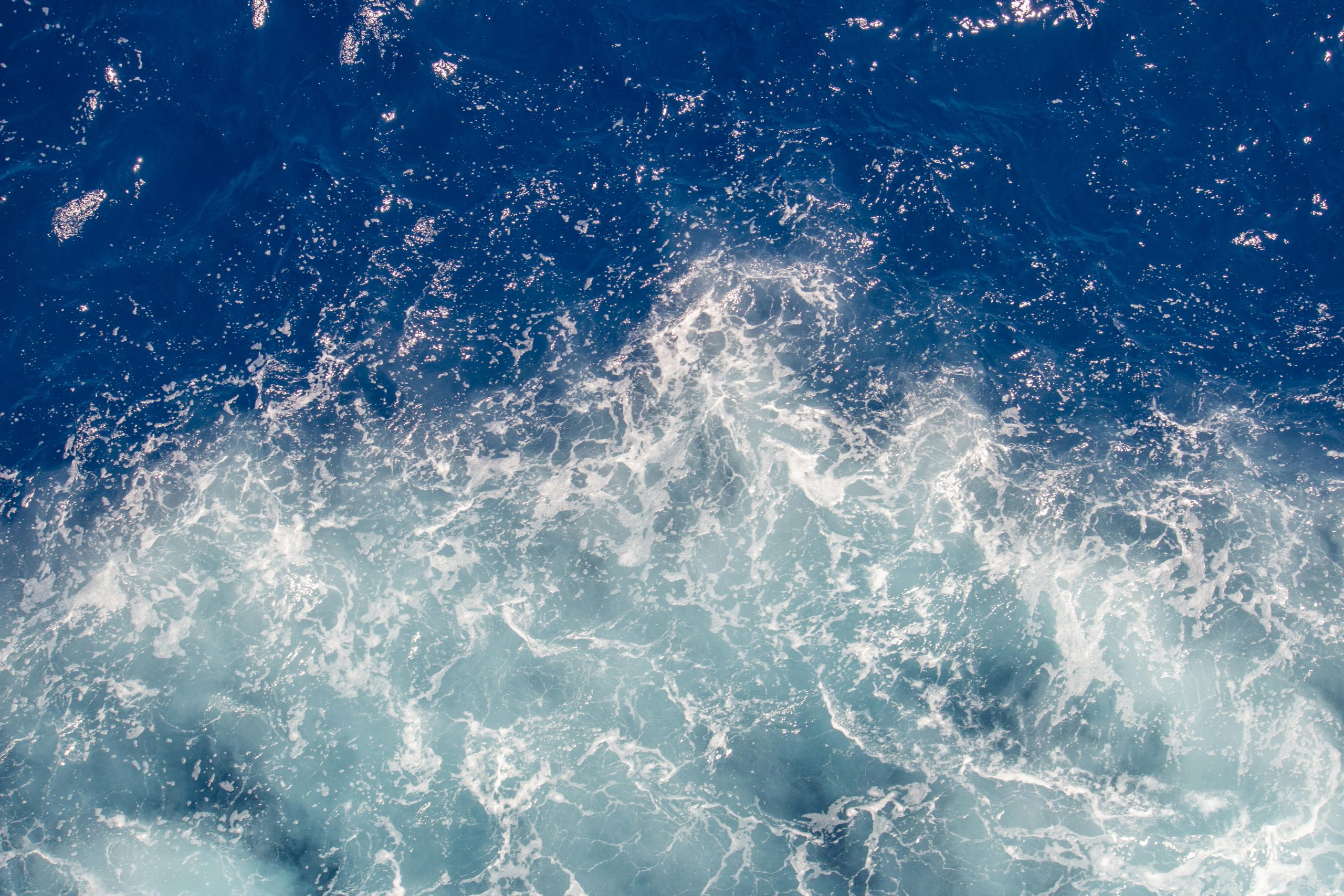
Unveiling the Mysteries: The Fascinating Science Behind Ocean Whirlpools
The ocean is a vast expanse of mysteries and marvels that has captivated humanity for millennia. Among its many wonders are the enigmatic ocean whirlpools – intense circular currents that spiral around a center point. These natural phenomena have been the subject of folklore and seafarers’ tales throughout history, often depicted as monstrous vortices capable of swallowing entire ships. However, in reality, the science behind ocean whirlpools is not only less ominous but utterly fascinating. Today, we’re diving deep to unravel “Unveiling the Mysteries: The Fascinating Science Behind Ocean Whirlpools”.
What Exactly Are Ocean Whirlpools?
Ocean whirlpools, also known as maelstroms, are powerful water currents formed by the convergence of conflicting tides or the movement of water around natural obstacles like underwater ridges. These swirling bodies of water can vary greatly in size and force, from small, harmless eddies often seen in rivers or coastal waters, to colossal giants like the famous Moskstraumen off the coast of Norway – one of the strongest whirlpools in the world.
The Formation of Ocean Whirlpools
The formation of a whirlpool begins with the motion of water. This can be influenced by various geographical and environmental factors such as wind direction, changes in the sea floor topography, and the natural rise and fall of tidal currents. When two opposing currents meet, or when water flows over an irregular surface and is then forced upward, a spinning motion can occur, creating a whirlpool.
One of the most intriguing aspects of “Unveiling the Mysteries: The Fascinating Science Behind Ocean Whirlpools” is investigating how these currents interact with the broader oceanic ecosystem. For instance, whirlpools can act as dynamic conduits, transporting nutrients from the ocean bed to the surface, supporting an array of marine life.
The Impact of Ocean Whirlpools on Navigation and Marine Life
Historically, ocean whirlpools have posed a significant risk to maritime navigation. The powerful pull of a large whirlpool can be hazardous to ships, especially smaller or weaker vessels. Modern navigation technology and comprehensive oceanographic maps have significantly mitigated these dangers, allowing ships to avoid these natural phenomena.
On the ecological side, whirlpools play a critical role in the oceanic food chain. By stirring up the water column, these spiraling currents facilitate the upwelling of nutrient-rich waters from the deep sea. This process brings essential nutrients to the surface, supporting plankton growth, which in turn feeds a diverse array of marine species.
FAQs About Ocean Whirlpools
1. Can ocean whirlpools really pull down ships?
While it’s highly unlikely for most modern ships to be pulled into a whirlpool due to advancements in maritime technology and navigation, historical accounts suggest smaller boats have been at risk around more powerful whirlpools.
2. Are there famous whirlpools I can visit?
Yes, there are several famous whirlpools around the world that are safe to visit and observe from a distance. For example, the Saltstraumen in Norway or the Naruto Whirlpools in Japan.
3. How long do ocean whirlpools last?
The lifespan of an ocean whirlpool can vary. Some may last for just a few minutes, while others, particularly those in permanent locations where tidal conditions consistently recreate them, can be seemingly perpetual.
4. What has modern science discovered about ocean whirlpools?
Modern science, through the use of satellite imagery and oceanographic instruments, has been able to study whirlpools in greater detail. This has led to discoveries about their role in ocean circulation, climate influence, and even their effects on marine biodiversity.
The Greater Significance of Understanding Ocean Whirlpools
The importance of “Unveiling the Mysteries: The Fascinating Science Behind Ocean Whirlpools” extends beyond mere curiosity or the thrill of decoding a maritime myth. By comprehending how these natural phenomena function, scientists can better predict their effects on climate patterns and marine ecosystems. This knowledge is crucial for the development of conservation strategies and for ensuring the sustainability of our oceans.
Conclusion
Ocean whirlpools are a striking example of nature’s power and elegance. These swirling currents remind us of the dynamic complexity of marine environments and the secrets they hold beneath the waves. As we continue to explore and understand these phenomenal water spirals, we not only satisfy our human curiosity but also enhance our capability to navigate safely and preserve the ocean’s ecological balance. Unveiling the mysteries of the fascinating science behind ocean whirlpools thus not only enriches our knowledge but also underscores our responsibility towards these critical marine systems. As we delve deeper, each discovery propels us forward in our ongoing journey across the vast, mysterious oceans.