

Understanding the Impact of Extreme Weather on Human Health
Introduction:
Weather directly impacts more than the world around us; it significantly affects our well-being, actions, and health. As the planet witnesses a shift in climate patterns, extreme weather events are becoming more frequent and severe, leading to a myriad of health-related issues. Today, we’re diving deep into the impact of extreme weather on human health, exploring how these changes affect us physically and mentally, and providing some tips on how to mitigate these effects.
What Is Extreme Weather?
Before delving deeper, let’s define what constitutes extreme weather. Extreme weather includes unusually severe or unseasonal weather conditions, such as hurricanes, tornadoes, heatwaves, heavy rainfall, flooding, blizzards, and droughts. These events can be devastating and are becoming more common due to climate change.
Impact of Extreme Weather on Human Health
The health impacts of these extreme weather events are broad and multifaceted. Let’s break them down:
1. Physical Health Impact:
- Heat-related Illnesses: Heatwaves are one of the most direct weather-related phenomena affecting human health. High temperatures can lead to dehydration, heat exhaustion, heatstroke, and worsening of chronic conditions like cardiovascular and respiratory diseases.
- Spread of Infectious Diseases: Flooding and increased rainfall often lead to higher incidences of waterborne diseases such as cholera, leptospirosis, and hepatitis A. Stagnant water can also become breeding grounds for mosquitoes, increasing the risk of mosquito-borne diseases like dengue fever, Zika virus, and malaria.
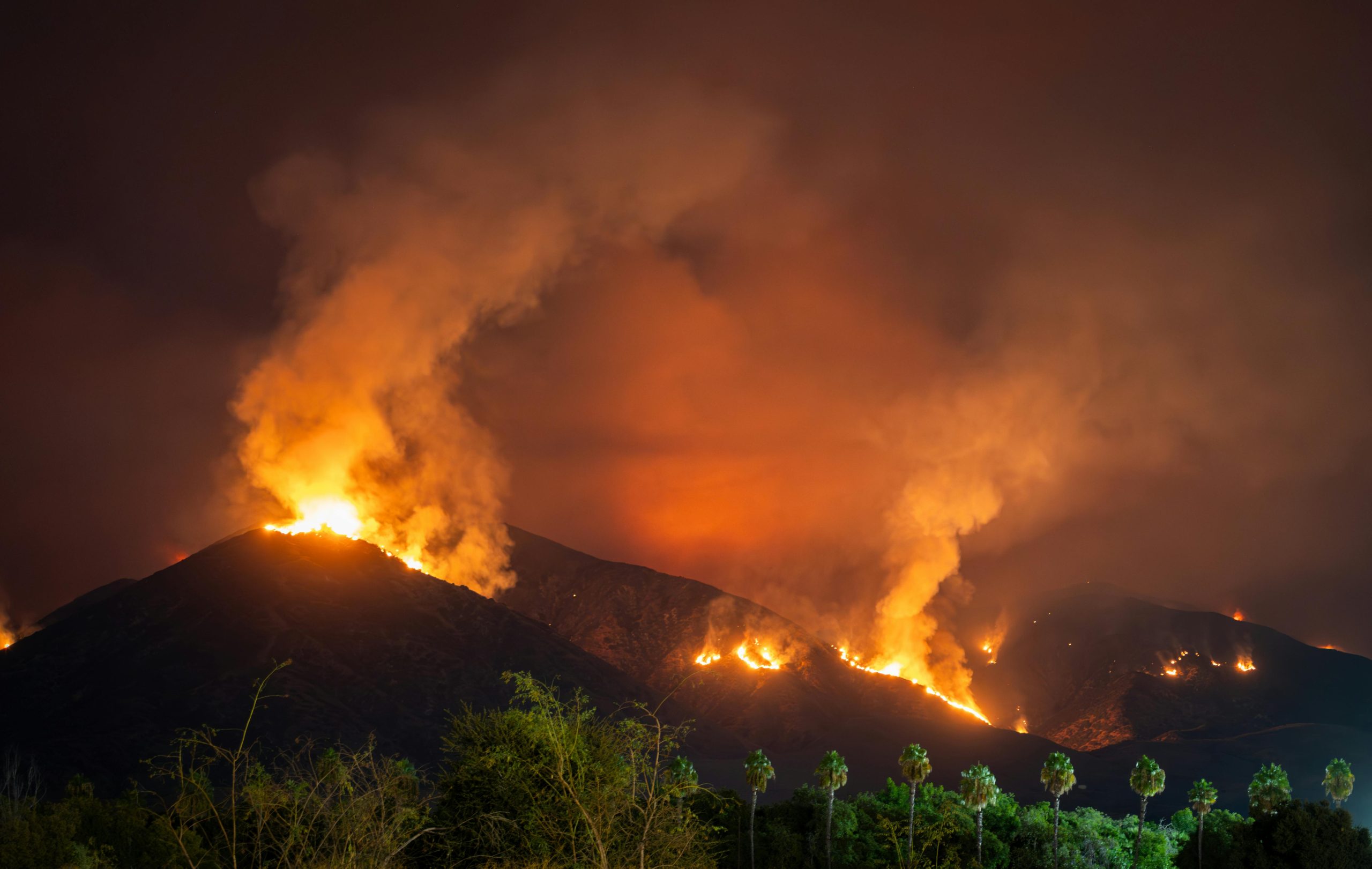
- Respiratory Problems: Extreme weather conditions, particularly those that involve heavy dust, pollen, or wildfire smoke, can aggravate respiratory conditions. Events like wildfires are not only dangerous due to the fire itself but can severely degrade air quality, causing asthma attacks and other respiratory issues.
2. Mental Health Impact:
- Psychological Stress: The threat or reality of losing homes or loved ones to extreme weather can lead to long-term psychological stress, anxiety, and depression. The uncertainty linked with increasing extreme weather events adds an additional layer of stress.
- Post-Traumatic Stress Disorder (PTSD): Survivors of severe weather events, such as hurricanes or floods, may experience PTSD, enduring effects long after the event has passed.
FAQs Regarding the Impact of Extreme Weather on Human Health
Q1: How can I protect myself during a heatwave?
A1: Stay hydrated, avoid strenuous activities during peak heat hours, wear light clothing, and stay indoors, preferably in air-conditioned spaces.
Q2: What should I do to reduce health risks during flood situations?
A2: Ensure you have clean water. Avoid contact with floodwaters if possible, as they may be contaminated. Have an emergency kit ready that includes water, food, and medication.
Q3: Are certain groups more vulnerable to the effects of extreme weather?
A3: Yes, the elderly, children, people with chronic diseases, and low-income communities often face greater risks. They might have less capacity to adapt and recover from health impacts.
Q4: How can communities prepare for extreme weather events to safeguard health?
A4: Improving infrastructure to withstand extreme events, setting up early warning systems, and ensuring adequate healthcare facilities and services are crucial steps. Community drills and education on emergency response can also enhance preparedness.
Q5: How does climate change influence the frequency of extreme weather events?
A5: Climate change contributes to extreme weather by altering environmental patterns. Warmer temperatures can increase the frequency and intensity of heatwaves and may contribute to the conditions necessary for hurricanes and heavy precipitation events.
Mitigating the Impact of Extreme Weather on Human Health
Adapting to the new norm of frequent extreme weather events involves both personal and collective effort:
- Personal Precautions: Regularly update your emergency kits, stay informed about weather forecasts, and be aware of the health resources available in your community.
- Policy Actions: Governments and health organizations should work towards strengthening healthcare systems to respond better to the demands during extreme weather and improve infrastructure resilience. Public health campaigns can raise awareness about the personal and community practices that reduce risks.
Conclusion:
As extreme weather becomes a more pressing global concern, understanding and adapting to its health implications is essential for community resilience and individual well-being. By staying informed and prepared, we can mitigate the impact of extreme weather on human health and ensure a safer environment for future generations. Let’s work together to foster a society that’s not only aware but is robust in the face of climatic adversities.
Encourage discussion and awareness within your community about the impact of extreme weather on human health. Stay safe and stay prepared!