

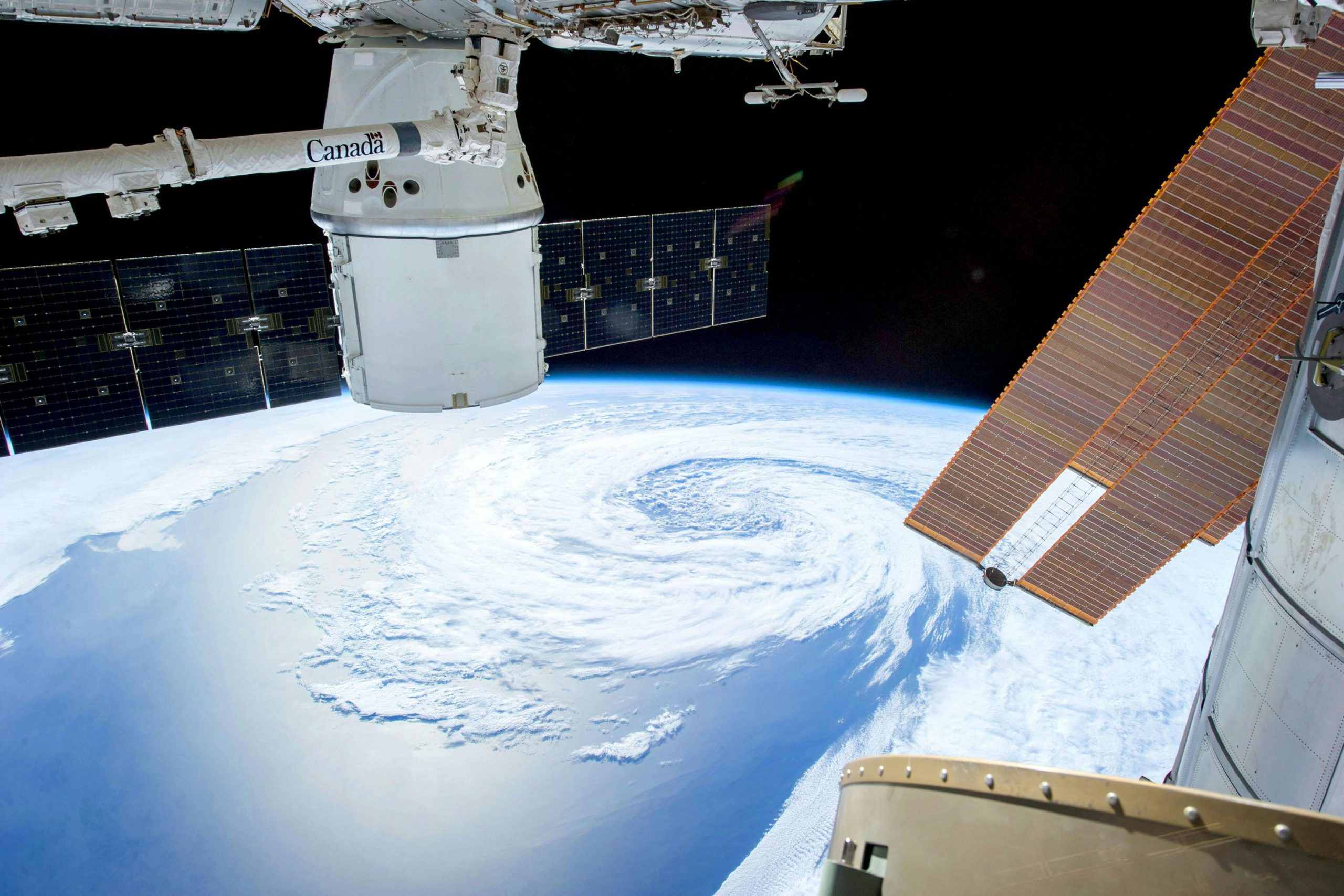
Exploring Climate Phenomena: Hurricanes – Understanding Their Nature and Impact
Hurricanes are some of the most dramatic and newsworthy examples of Earth’s climate phenomena. Every year, communities along coastlines brace themselves for the possibility of a hurricane, making it crucial to not only understand what hurricanes are but also how we can prepare and respond to them. In this blog, we’re diving deep into the realm of hurricanes, exploring how they form, the impact they have on our environment, and what the future may hold in an era of global climate change.
What Are Hurricanes?
Hurricanes, also known as cyclones or typhoons in different regions, are large, swirling storm systems that form over warm ocean waters. They are powered by the heat from the sea and sustained by moist air. As they move across the ocean, these storms can whip up winds exceeding 74 miles per hour and conjure devastating rainfalls. When conditions are just right, such as warm water and high humidity, these storms gain strength and can become massive forces of nature capable of significant destruction.
How Do Hurricanes Form?
The formation of hurricanes is a phenomenal display of nature’s power. These storms typically begin as clusters of thunderstorms over tropical waters. The warm surface of the ocean heats the air above it, causing it to rise quickly and create low pressure beneath. Surrounding high-pressure areas push air into the low pressure area, where it warms and rises as well. As this cycle continues, more warm, moist air is drawn into the system. With the Coriolis effect — caused by the Earth’s rotation — the storm begins to spin. Once the winds in the rising air reach a certain speed, the storm is classified as a hurricane.
The Impact of Hurricanes
Hurricanes can be incredibly destructive. Their strong winds can damage buildings and infrastructure, while torrential rains can lead to catastrophic flooding. After the initial storm surge, communities often grapple with prolonged power outages, water supply contamination, and displacement of populations. Beyond the immediate physical damage, the economic impact of hurricanes is profound, often running into billions of dollars in recovery and reconstruction efforts.
FAQs on Hurricanes
Exploring climate phenomena: hurricanes brings us to some common queries that people often have about these formidable weather events:
1. What are the categories of hurricanes?
Hurricanes are categorized by their wind speed using the Saffir-Simpson Hurricane Wind Scale, ranging from Category 1 (mild) to Category 5 (catastrophic).
2. When is hurricane season?
In the Atlantic, hurricane season runs from June 1st to November 30th, while in the Pacific, it starts a bit earlier on May 15th and ends on November 30th.
3. How can communities prepare for hurricanes?
Preparation can include building homes that can withstand hurricane winds, creating emergency kits, setting up communication plans, and implementing strong evacuation strategies.
4. What technology is used to monitor hurricanes?
Today, we track hurricanes using satellite imagery, reconnaissance aircraft, Doppler radar, and other sophisticated meteorological equipment.
The Role of Climate Change in Hurricanes
Climate change is playing a significant role in how hurricanes develop and the frequency with which they occur. Warmer ocean temperatures can increase the intensity of hurricanes, making them more powerful and potentially more destructive. Moreover, rising sea levels contribute to higher and more dangerous storm surges. Understanding these links and anticipating changes are essential for future preparedness strategies.
Conclusion: Why Exploring Climate Phenomena Like Hurricanes Matters
Exploring climate phenomena: hurricanes not only fascinates but equips us with knowledge crucial for resilience and adaptation. By understanding the scientific foundations and keeping abreast of new research, we can better prepare for and respond to the challenges posed by these natural disasters. As our planet continues to change, our strategies for dealing with hurricanes must evolve accordingly. Acknowledging and addressing the impacts of climate change on such phenomena is not just prudent; it’s imperative for safeguarding our communities and ecosystems. The conversation on hurricanes is far from over, and continued research and discussion will help us face these mighty storms with greater efficacy.