

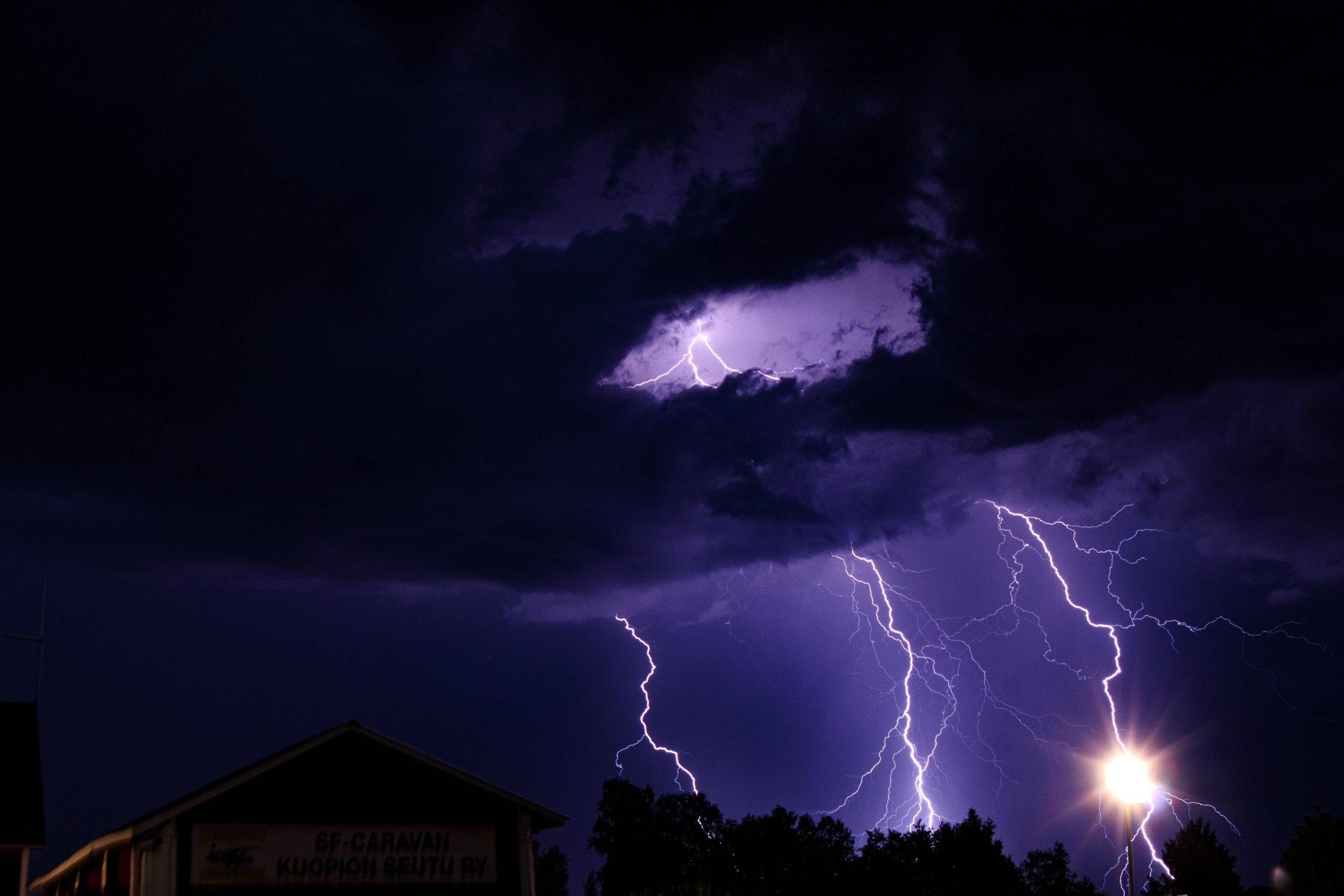
Understanding Weather Patterns: What Is El Niño and La Niña
Introduction:
When it comes to dramatic shifts in weather patterns, few phenomena stir up as much attention as El Niño and La Niña. These natural climate occurances play a significant role in the perturbations of weather patterns across the globe, impacting everything from seasonal temperatures to precipitation rates. In this detailed exploration of Understanding Weather Patterns: What Is El Niño and La Niña, we will delve into the fundamentals of these phenomena, how they affect global weather, and why they are critical factors in climatic forecasting.
What Are El Niño and La Niña?
El Niño and La Niña are opposing phases of the El Niño-Southern Oscillation (ENSO) cycle, which consists of alternating variations in sea surface temperatures (SSTs) in the central and eastern Pacific Ocean. This cycle is a key driver of weather variability across the world.
- El Niño: This phase is characterized by warmer-than-average sea surface temperatures in the central and eastern Pacific Ocean near the equator. El Niño events typically lead to significant weather changes, such as increased rainfall in the southern United States and Peru, and drought in the Western Pacific and Australia.
- La Niña: Contrasting El Niño, La Niña features cooler-than-average sea surface temperatures in the same regions. La Niña episodes often encourage strong hurricanes in the Atlantic, drier conditions in the southwestern U.S., and wetter conditions in the Pacific Northwest and Canada.
How Do El Niño and La Niña Affect Global Weather Patterns?
Understanding Weather Patterns: What Is El Niño and La Niña isn’t complete without appreciating their global impacts. Here’s how these phenomena influence various weather aspects around the world:
- Temperature Variations: Both El Niño and La Niña contribute to significant shifts in global temperatures. For instance, during El Niño, warmer conditions can be experienced in parts of North and South America and cooler conditions in Northern and Western Australia, Southeast Asia, and Southern Africa.
- Precipitation Changes: Alterations in rainfall and snowfall are perhaps the most noticeable effects. El Niño generally brings increased rainfall to the southern tier of the U.S. and drought to Southeast Asia and Australia. Conversely, La Niña can result in drier conditions in the southern U.S. and enhanced rainfall in Southeast Asia and Australia.
- Impact on Storms and Hurricanes: El Niño tends to suppress Atlantic hurricane activity due to increased wind shear across the tropical Atlantic, which disrupts the formation of hurricanes. On the other hand, La Niña typically enhances hurricane activity in the Atlantic.
Why Are El Niño and La Niña Important to Understand?
Understanding Weather Patterns: What Is El Niño and La Niña is crucial for several reasons:
- Agricultural Planning: Farmers and agricultural planners can use ENSO forecasts to make decisions about planting and water resource management, potentially saving significant costs and losses.
- Disaster Preparedness: Regions prone to the effects of El Niño or La Niña can prepare for expected conditions, such as bolstering flood defenses or preparing for drought conditions.
- Economic Impact: These phenomena can significantly impact economies, especially those heavily dependent on weather-sensitive sectors like agriculture, fishing, and energy.
Frequently Asked Questions (FAQs) About El Niño and La Niña
Q1: How often do El Niño and La Niña occur?
El Niño and La Niña events typically occur every 2-7 years, but their frequency and intensity can vary dramatically.
Q2: Can scientists predict El Niño and La Niña?
Yes, climate scientists use oceanic temperature data and atmospheric models to predict these conditions several months in advance. However, forecasting their exact timing and intensity remains challenging.
Q3: How long do El Niño and La Niña last?
Typically, an El Niño or La Niña event can last anywhere from 9 to 12 months, but some episodes may persist for up to two years.
Q4: What are some long-term effects of El Niño and La Niña?
Long-term effects can include shifts in fish and bird populations due to changed oceanic conditions, long-term impacts on coral reefs, and even influences on global carbon dioxide levels.
Conclusion:
El Niño and La Niña are more than just buzzwords when discussing the weather; they are critical components in the complex system of global climate. By becoming informed about and Understanding Weather Patterns: What Is El Niño and La Niña, individuals, communities, and governments can better prepare for the unexpected shifts in climate that affect us all. Whether it’s stocking up for potential floods or altering agricultural practices during a drought, foresight about these events can help mitigate their impacts. Keep up with the latest forecasts and stay informed to navigate the challenges posed by these fascinating climatic phenomena.