

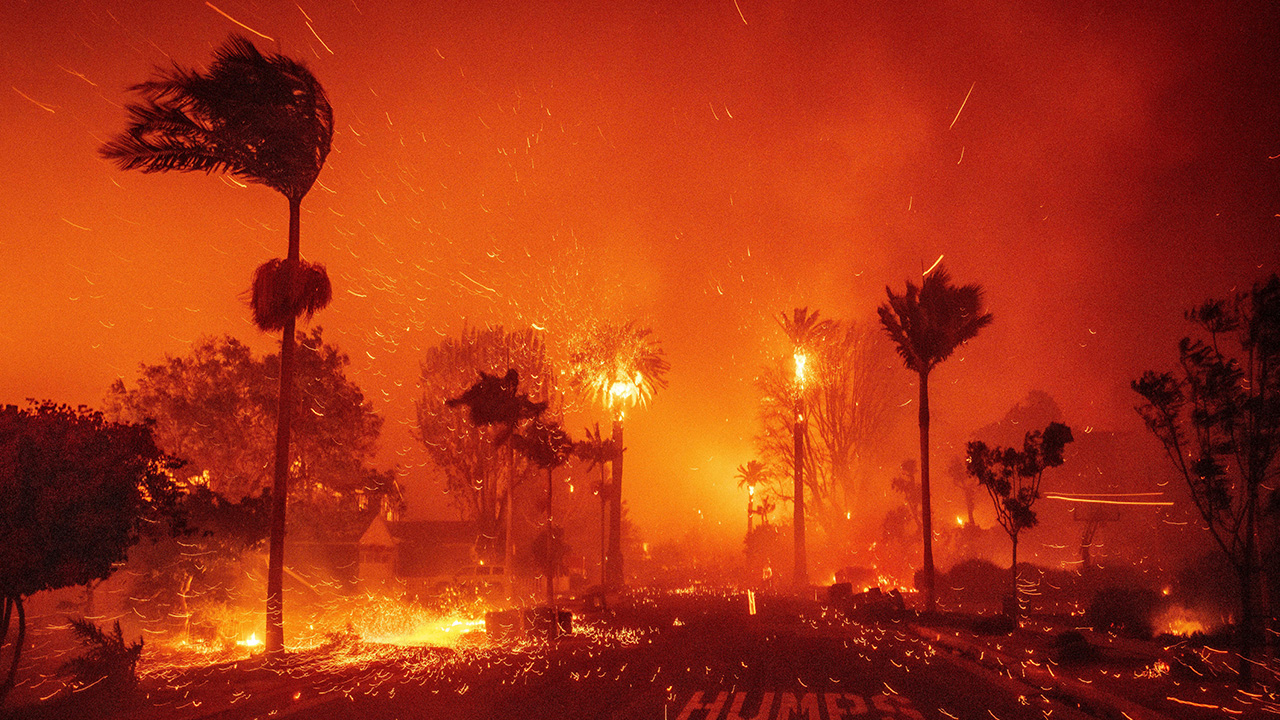
Wildfires – Impacts on Our Planet: Understanding the Consequences and Solutions
Wildfires have increasingly become a common phenomenon, impacting our world with far-reaching consequences that we are only just beginning to understand fully. These natural and man-made disasters do not just wreak havoc locally but also contribute significantly to global environmental changes, affecting everything from air quality to biodiversity.
The Rise in Wildfire Incidents
In recent years, we have witnessed a dramatic increase in wildfire activities, especially in places like Australia, the Amazon rainforest, and the western United States. Climate change, human encroachment into forested areas, and changes in land use are all contributing to the increased frequency and intensity of these fires. With this rise, it’s crucial to delve deep into Wildfires – Impacts on Our Planet and understand the broader implications on both our local environments and the world at large.
Impacts on Air Quality and Atmosphere
One of the most immediate and noticeable impacts of wildfires is on air quality. Massive plumes of smoke can travel thousands of miles, affecting air quality across continents. The fine particles and toxic gases released during a wildfire, such as carbon monoxide and volatile organic compounds, pose serious health risks. Chronic exposure to wildfire smoke can lead to respiratory issues, cardiovascular problems, and exacerbated conditions like asthma and chronic obstructive pulmonary disease.
Moreover, on a global scale, wildfires contribute to atmospheric carbon. They release a significant amount of carbon dioxide—a key greenhouse gas—back into the atmosphere. This not only impacts climate change but also alters atmospheric composition, potentially delaying recovery or leading to more extreme weather patterns.
Effects on Biodiversity and Ecosystems
Biodiversity suffers extensively due to wildfires. Habitats are destroyed in an instant, leaving wildlife displaced and increasing the risk of extinction for vulnerable species. Post-fire landscapes can alter ecosystems, leading to changes in species composition and reduced habitat quality. These disruptions often lead to long-term ecological shifts that can transform a biodiverse region into a less diverse system, impeding nature’s balance.
Furthermore, wildfires play a role in the nutrient cycling of an ecosystem. Although fire can help by returning nutrients to the soil, excessive burning eliminates vital organic matter and deteriorates the soil’s quality, affecting plant regrowth and reducing agricultural productivity.
Wildfires and Their Impact on Human Life and Property
Beyond natural systems, Wildfires – Impacts on Our Planet also encompass significant effects on human life and infrastructures. Wildfires destroy homes and communities, leading to immense economic losses and displacing thousands of people each year. The emotional and psychological trauma from losing homes, belongings, and loved ones can have long-term impacts on individuals’ mental health.
Moreover, the economic implications are vast, involving not only the direct costs associated with firefighting efforts but also the downstream effects on tourism, agriculture, and other industries. In regions heavily dependent on these industries, wildfires can devastate the local economy.
Mitigating the Impacts of Wildfires
Addressing the impacts of wildfires involves proactive and reactive measures. On the proactive side, better land management practices such as controlled burns and the clearing of deadwood can reduce fuel loads and the chance of severe wildfires. Urban planning and building codes can be modified to enhance community resilience and reduce the vulnerability of infrastructures to fire damage.
On the reactive side, enhancing our firefighting techniques and improving evacuation protocols can save lives and property. Policymaking can also include investing in research and technology to better predict fire behaviors and deploy resources more effectively.
FAQs about Wildfires – Impacts on Our Planet
Q: How do wildfires affect climate change?
A: Wildfires release large amounts of CO2 and other greenhouse gases into the atmosphere, exacerbating global warming and contributing to more severe and frequent weather events.
Q: Can wildfires be beneficial?
A: In certain ecosystems, wildfires are natural and essential for the regeneration of healthy forests and grasslands. They help in seed dispersal and clearing out dead or dense undergrowth, which can stimulate new growth.
Q: What can individuals do to help mitigate wildfire risks?
A: Individuals can help by maintaining clear defensible space around their properties, supporting sustainable land management practices, and following local regulations during high-risk periods.
Conclusion
As we continue to tackle the challenge of Wildfires – Impacts on Our Planet, it is essential to adopt a multifaceted approach that includes not only immediate firefighting and management strategies but also long-term policy initiatives focused on sustainability and adaptation. By understanding and mitigating the adverse effects, we can protect our planet’s health and ensure a safer, more resilient world for future generations. Awareness and action will be our tools in making significant strides toward mitigating the impacts of wildfires globally.