

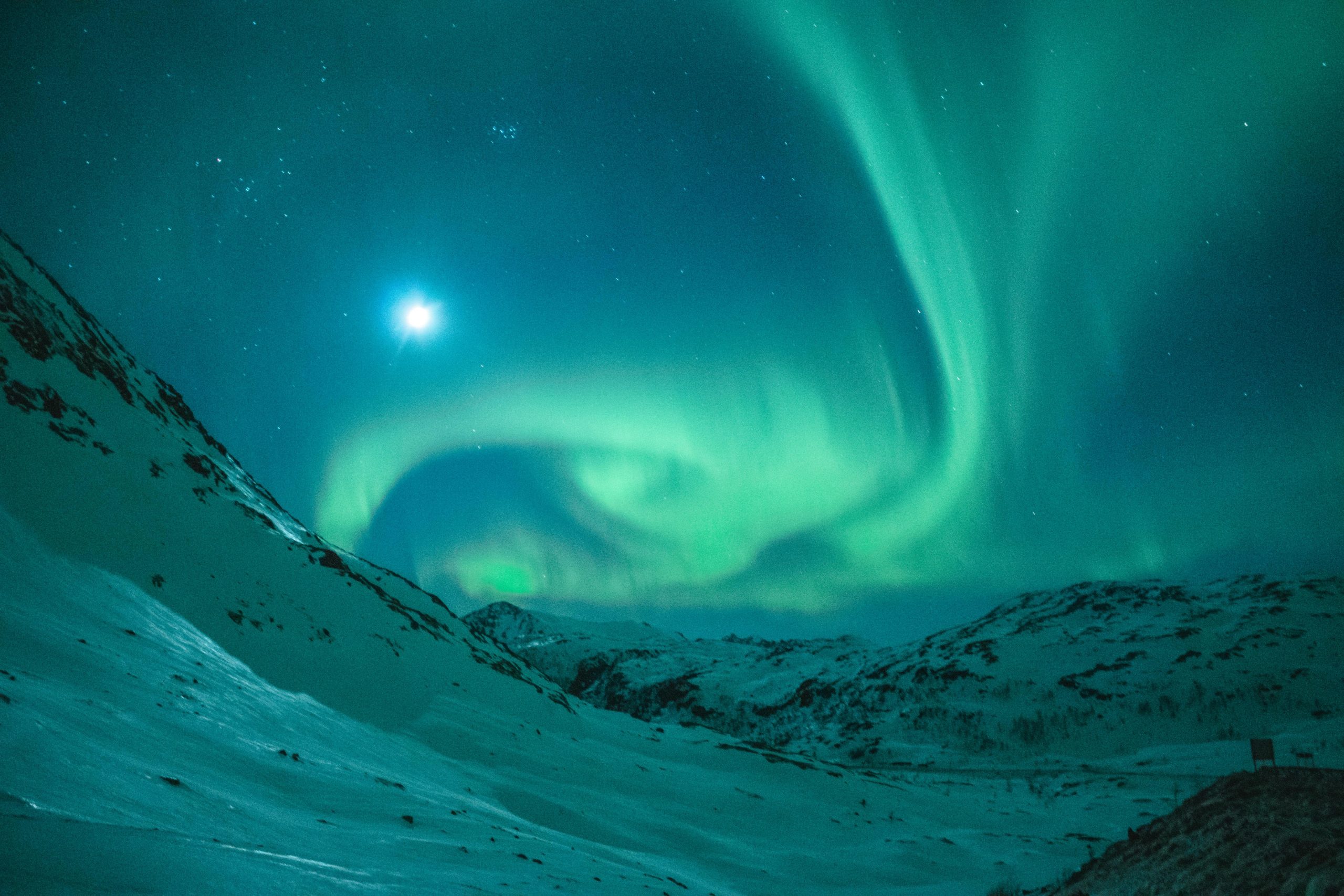
Unlocking the Mystery: Understanding the Phenomenon of Pillars of Light in the Sky
Have you ever witnessed an intriguing natural light show where radiant columns of light appear to stretch from the sky down to the earth? Known as light pillars, this enchanting phenomenon transforms the sky into a captivating scene, prompting both awe and curiosity. Unlocking the mystery of these pillars of light in the sky not only enhances our appreciation of nature’s beauty but also deepens our understanding of the atmospheric conditions that create such visual wonders.
Introduction to Pillars of Light in the Sky
Light pillars are an optical phenomenon that occur when natural or artificial light bounces off ice crystals floating close to the ground in the atmosphere. These stunning columns of light are most commonly seen during cold weather when ice crystals form close to the ground in calm, frigid conditions, typically around dawn and dusk. Though they may seem extraterrestrial or mystical, the explanation behind these light pillars is grounded in the science of light refraction and reflection.
The Science Behind the Phenomenon
To truly unravel the mystery: understanding the phenomenon of pillars of light in the sky, one must start with the conditions under which they appear. Light pillars are primarily seen in polar regions or during harsh winter temperatures but can occur anywhere in the world if the conditions are right. The crucial factor is the presence of tiny, flat, hexagonal ice crystals suspended in the air. When a light source—be it the sun, moon, or street lighting—shines, these ice crystals act like miniature mirrors, reflecting the light vertically and creating a luminous pillar that appears to extend upward from the light source.
The color and intensity of the light pillars can vary based on the light source and the density of the ice crystals. For instance, pillars formed by the setting sun may appear rosy or golden, while those created by artificial lights often mirror the colors of the light source, ranging from vivid neon’s of commercial signs to the yellow and white hues of street lamps.
Where and When to Witness This Phenomenon
For those keen on experiencing this magical display, the best time is during the winter months in the higher latitudes. Regions near the Arctic Circle, like Alaska, northern Canada, and Scandinavian countries, frequently experience conditions conducive to the formation of light pillars. However, they can also appear in mid-latitude locales during particularly cold spells. Calm, clear nights when the temperature plunges below freezing are ideal for catching this phenomenon in action.
Tips for Photographing Light Pillars
Capturing the ethereal beauty of light pillars requires some preparation. Here are a few tips:
- Use a tripod: Stability is key in low-light conditions.
- Opt for long exposures: Lengthen the shutter speed to let more light in, which is crucial in the dark.
- Keep the ISO low to avoid grainy images.
- Experiment with different angles to capture various perspectives of the light pillars.
Environmental and Safety Considerations
While pillars of light in the sky are a stunning sight and generally harmless, the conditions under which they appear can be challenging and potentially hazardous. Extreme cold can pose risks to both health and technology, such as frostbite and battery drainage. Always ensure you are well-prepared with appropriate cold-weather gear and equipment when planning to observe or photograph these lights.
FAQs about Light Pillars
Q1: Are light pillars a type of aurora?
No, although they are both stunning visual sky phenomena predominantly seen in polar regions, auroras and light pillars are different. Auroras are caused by the interaction of the Earth’s magnetosphere with charged particles from the sun, while light pillars result from light reflecting off ice crystals in the air.
Q2: Can light pillars predict the weather?
Light pillars themselves do not predict weather changes but observing the necessary conditions for their formation, such as cold, clear nights, can give hints about current weather conditions.
Q3: Are there any similar optical phenomena caused by light interactions?
Yes, phenomena such as halos, sundogs, and moon rings are also caused by light interacting with ice crystals in the atmosphere, but they differ in appearance and specific formation conditions.
Conclusion
Unlocking the mystery: understanding the phenomenon of pillars of light in the sky reminds us of the wonder and complexity of our natural world. These light pillars provide not only a visual feast but also a fascinating glimpse into the interplay between light and the atmosphere. Whether you are a passionate photographer, a nature lover, or simply a curious observer, witnessing this spectacular light show offers a unique experience that highlights the beauty and intricacies of our environment. So, wrap up warm, and keep your eyes on the skies, for you never know when the next show of light pillars might illuminate the horizon!